Profile
Dear Project Team,
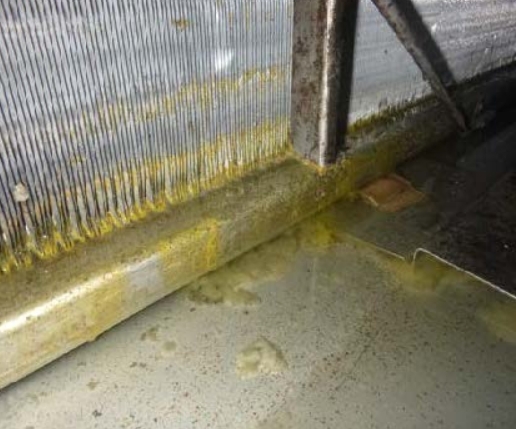
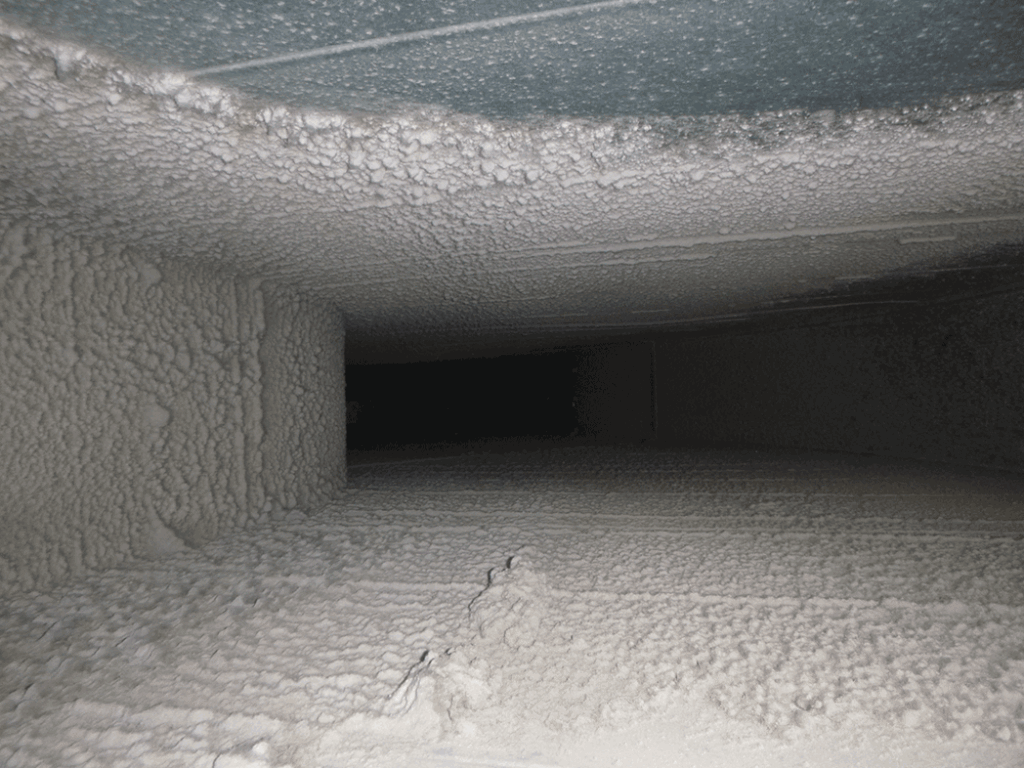
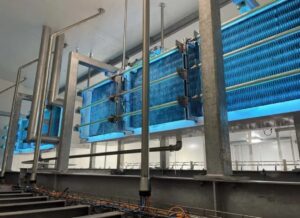
Following our recent inspection of the existing cold and freezer rooms, visible mould growth and biofilm formation were observed on and around the evaporator coil assemblies, including coil fins, drain trays, and room surfaces.
While room air temperatures are low, the evaporator environment itself operates with persistent moisture, intermittent warming during defrost cycles, and organic loading, creating conditions that support microbial survival and regrowth. This presents an ongoing hygiene, asset, and operational risk, particularly where the refrigeration plant serves critical or regulated storage functions.
Identified Risk
From an engineering risk perspective:
Likelihood: High – Due to continuous condensate formation and limited access for routine cleaning behind coils.
Consequence: Moderate to High
Including:
– Ongoing mould and spore redistribution
– Product contamination risk
– Odour complaints
– Reduced heat transfer efficiency
– Accelerated coil degradation and maintenance burden
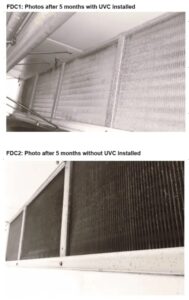
Cleaning alone addresses symptoms but does not control regrowth between maintenance cycles.
Proposed Engineering Control – uv lights
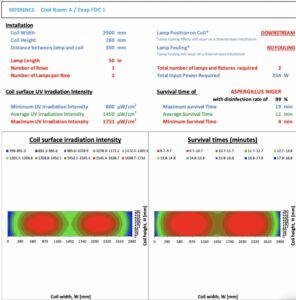
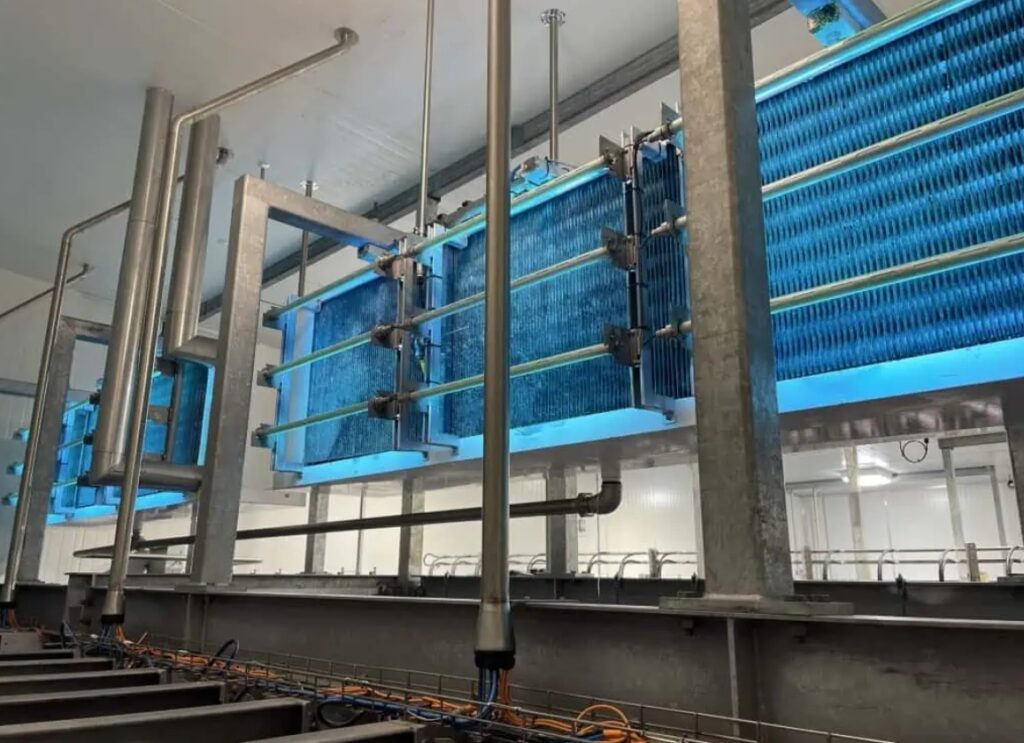
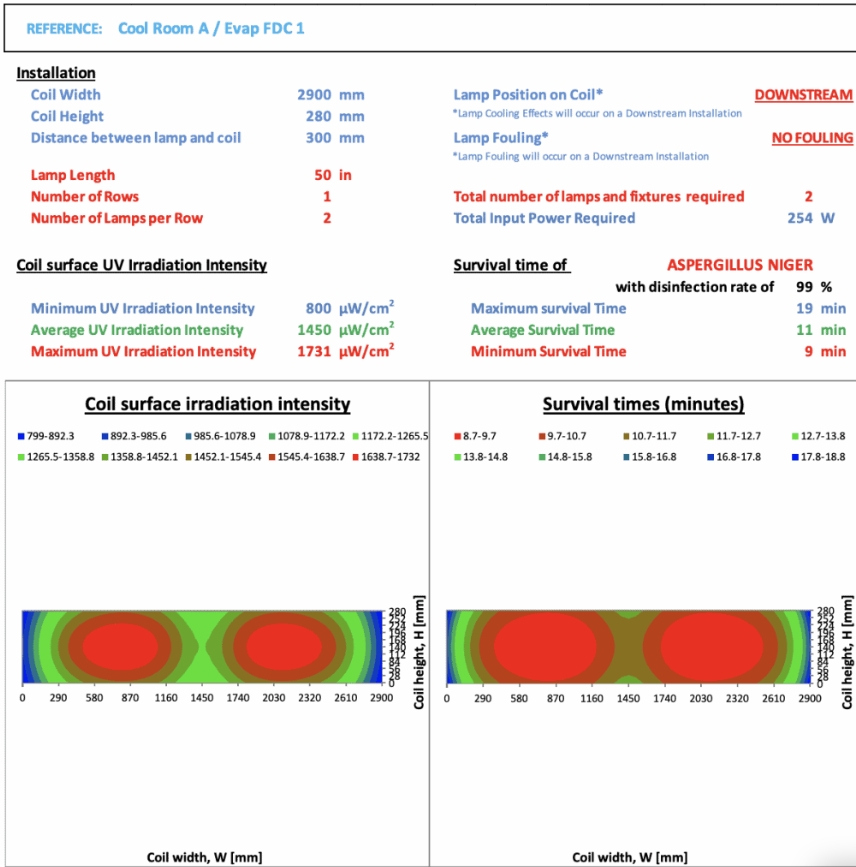
It is proposed to install a continuous germicidal ultra violet uv light system behind the evaporator coils, supplied and supported by Australian Ultraviolet.
The system is specifically designed for cold room and freezer evaporator applications, with UVC output engineered to remain effective at low air temperatures and typical evaporator air velocities—a known limitation of generic UVC products.
Positioning the lamps behind the coil directly targets the surfaces where mould growth initiates, including:
– Coil fins
– Condensate trays
– Drain paths
– Immediate downstream air stream
This provides continuous suppression of microbial growth at source, rather than relying solely on periodic cleaning.
Benefits to the Facility of uvc light
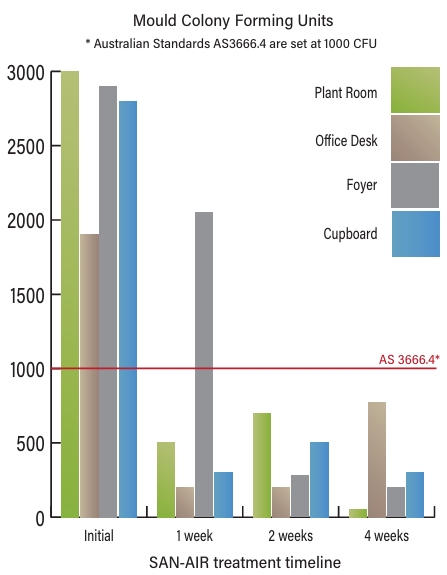
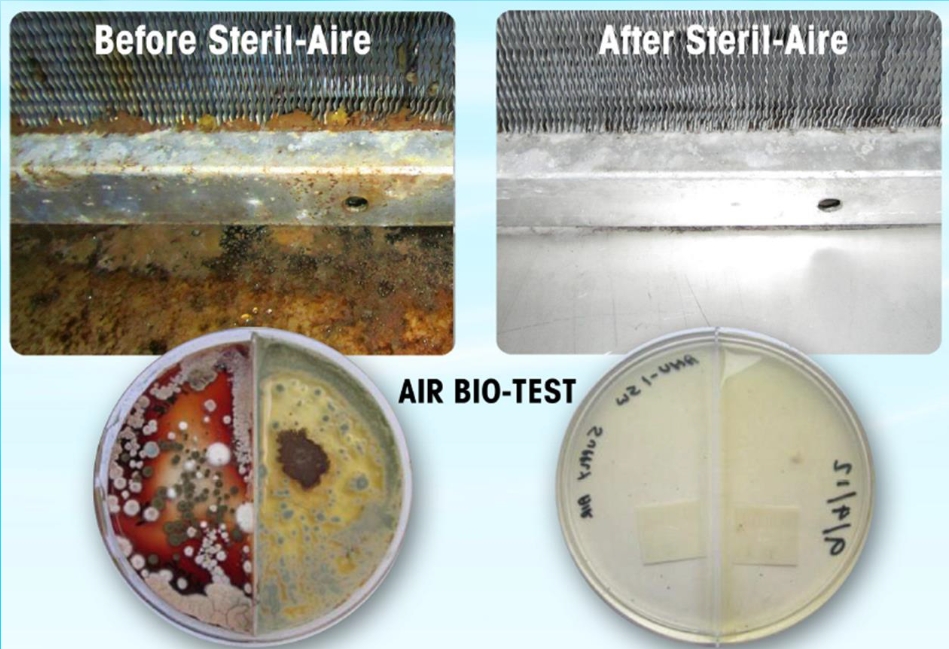
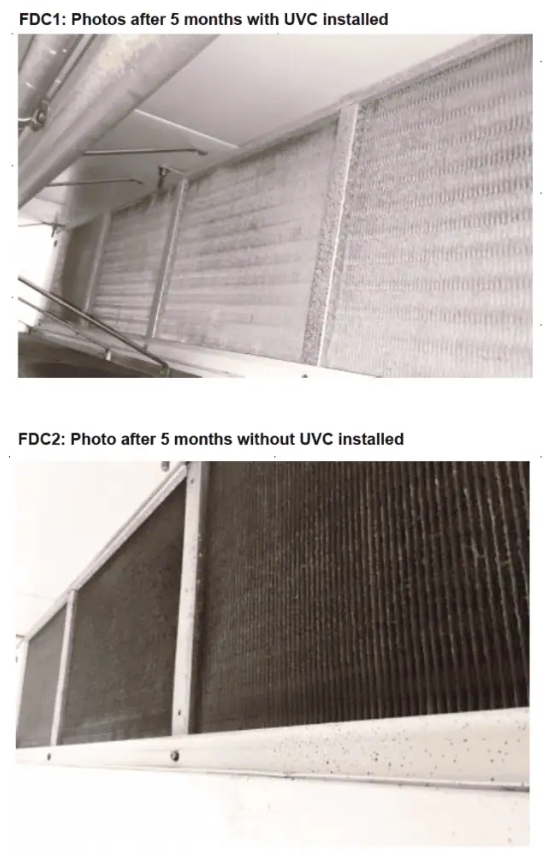
– Reduces mould and biofilm regrowth between cleans
– Improves evaporator heat transfer and defrost performance
– Lowers reliance on chemical cleaning and manual intervention
– Supports hygiene, food safety, and audit requirements
– Extends coil service life and reduces corrosion risk
– Improves WHS outcomes by limiting exposure during maintenance
Recommendation & Next Steps
It is recommended that Australian Ultraviolet be engaged to:
– Review the evaporator configuration and operating conditions
– Confirm UVC output requirements based on temperature and airflow
– Provide a project-specific selection and installation detail
Australian Ultraviolet have specialized in these systems for over 10 years https://www.australianuv.com.au/uvc-for-cool-room-coils/
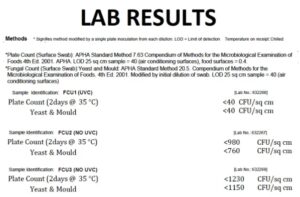
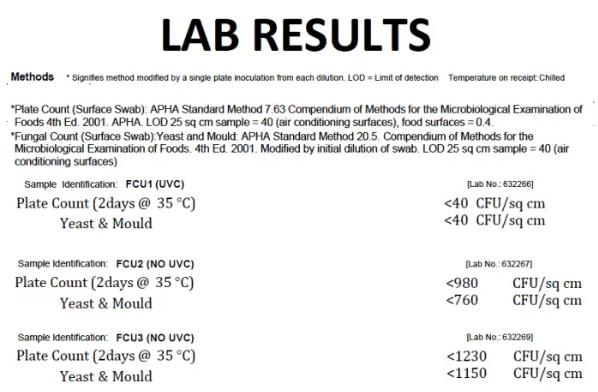
This solution provides a permanent engineering control layer aligned with the observed site conditions and the criticality of the refrigeration plant and is backed by independent lab testing available on request.
Please contact us if you would like this incorporated into the project/mechanical specification or developed further for this project.
Kind regards,
Reviews
Comments are closed.