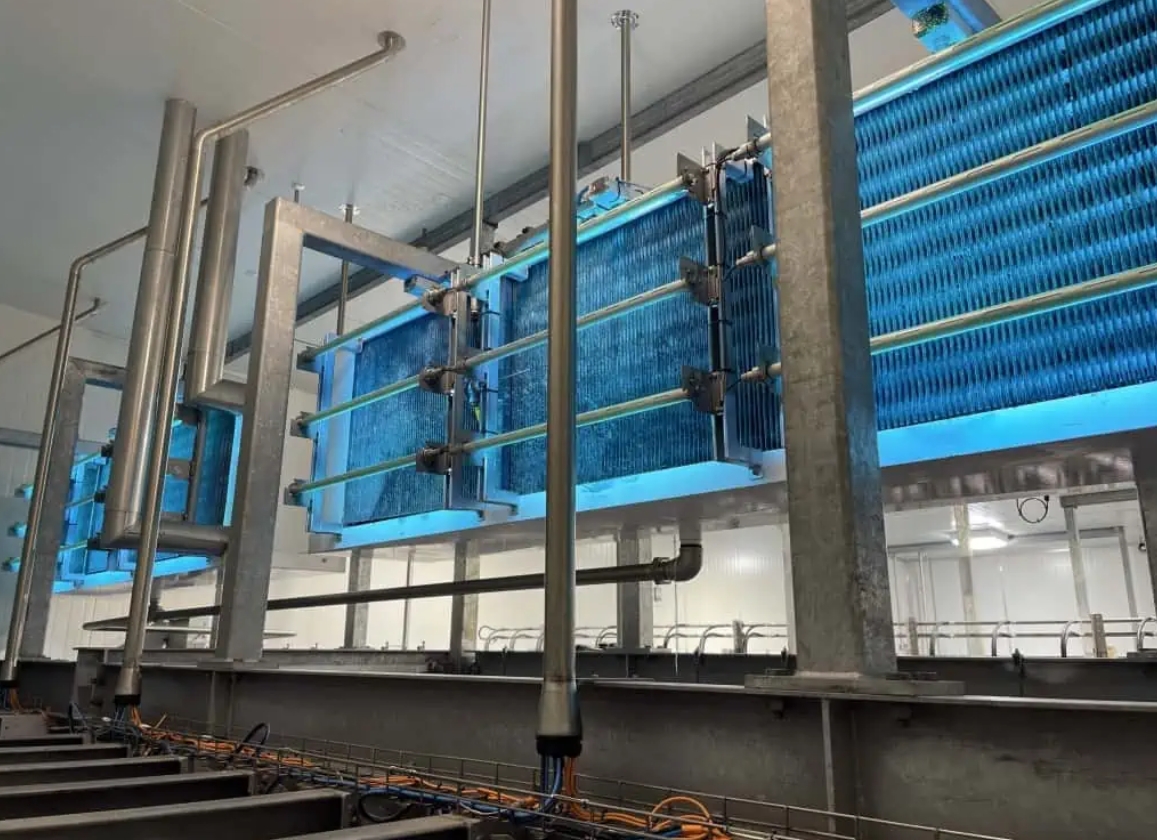
Profile
Designing with Real-World Performance, Not Just Lamp Wattage
Ultraviolet-C (UVC) disinfection has become a widely adopted solution for controlling microbial growth in air-handling systems and improving indoor air quality. However, not all UVC systems — or UVC specifications — are created equal.
Many project documents still refer to UVC in vague terms such as “provide UVC lamps to coil” or “install UV disinfection system”, without defining how the system is to perform under real HVAC operating conditions. This creates risk for consultants, contractors, and building owners alike.
Steril-Aire has addressed this gap by publishing a performance-based, engineering-grade UVC specification that defines how UVC systems must operate in actual HVAC environments — including air temperature, air velocity, irradiance levels, commissioning verification, and compliance requirements.
For mechanical engineers, this specification provides a much clearer and more defensible basis for UVC design.
Manufacturers Specification : High output UVC Germicidal Emitter – Steril Aire
The Problem with Generic UVC Specifications
Traditional UVC specifications often focus on:
-
Lamp wattage
-
Initial output ratings
-
Physical installation only
-
Marketing claims rather than performance data
What they usually do not define is:
-
Output at HVAC operating temperatures
-
Output at realistic air velocities
-
End-of-life performance
-
How irradiance is verified in the field
-
Minimum dose across the entire coil face
-
Safety, compliance, and commissioning requirements
This leads to situations where:
-
UVC systems underperform in cold, high-velocity air
-
Coil surfaces receive uneven irradiation
-
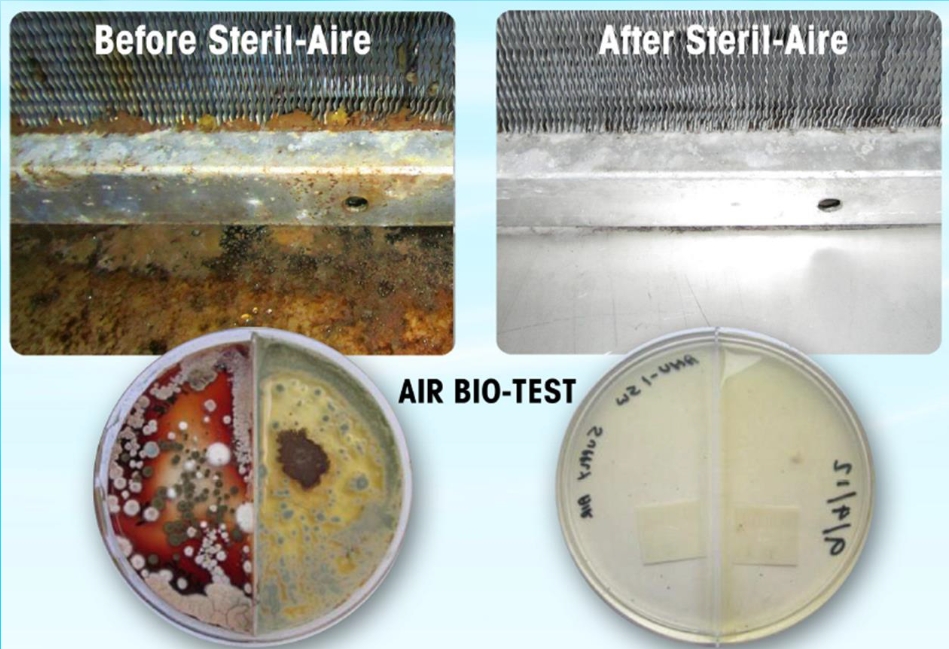
Biofilm persists in shadowed areas
-
Performance cannot be verified
-
Responsibility becomes unclear during commissioning
From a consulting engineer’s perspective, that represents both technical risk and professional risk.
What the Steril-Aire Specification Actually Covers
Steril-Aire’s published specification goes far beyond basic product description. It functions as a complete engineering performance framework for UVC systems in HVAC applications.
1. Performance at Real HVAC Conditions
Steril-Aire specifies UVC performance at:
-
Air temperatures around 13°C
-
Air velocities of 2.0 m/s
-
End-of-lamp-life output, not just initial output
This is critical, because UVC lamp output is affected by:
-
Cold air temperatures
-
High airflow velocities
-
Lamp ageing over time
By specifying performance under these conditions, engineers can be confident the system will still deliver effective germicidal energy in real plant rooms — not just in laboratory conditions.
2. Minimum Germicidal Dose Across the Coil Face
The specification defines:
-
A minimum UVC dose at the extreme edges of the cooling coil
-
Verified irradiance levels across the entire coil surface
-
End-of-life performance thresholds
This ensures:
-
Uniform microbial control
-
No untreated “shadow zones”
-
Consistent biofilm prevention
For engineers designing hospital, aged care, education, or high-occupancy buildings, this level of coverage is essential for hygiene assurance.
3. End-of-Life Performance (Not Just Initial Output)
Most UVC lamps degrade over time. Steril-Aire’s specification requires:
-
Guaranteed output at end of lamp life
-
Lamp depreciation curves
-
Defined replacement intervals
This ensures the system remains effective throughout its operating cycle — not just on day one.
From a lifecycle performance perspective, this aligns with how engineers already specify:
-
Fans at duty point
-
Chillers at full load
-
Filters at final resistance
UVC should be no different.
4. Field Measurement and Commissioning Verification
Steril-Aire spec requires:
-
UVC irradiance field drawings
-
Measurement using calibrated radiometers
-
Verification of irradiance across the coil face
-
Commissioning reports confirming compliance
This provides:
-
Objective, measurable performance data
-
Clear pass/fail criteria
-
Reduced disputes during handover
-
Better asset documentation for FM teams
From a QA and commissioning standpoint, this is a major step forward compared to “install and assume” UVC approaches.
5. Safety, Compliance, and Australian Standards Alignment
The specification references compliance with:
-
AS/NZS electrical safety standards
-
EMC requirements
-
Appliance safety standards
-
WHS obligations for UV exposure
It also includes:
-
Interlocked access panels
-
Warning signage
-
Approved electrical components
This ensures UVC systems are treated like any other regulated plant item — not as an afterthought or bolt-on accessory.
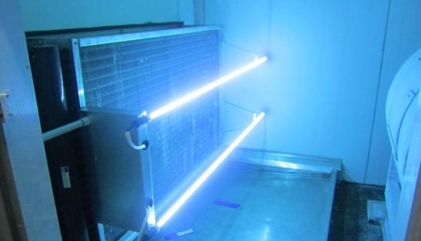
6. Installation Positioning and Coverage Requirements
The spec clearly defines:
-
Downstream coil installation
-
Full face coverage
-
Uniform irradiance
-
No shadowing or obstruction
This is critical for:
-
Effective microbial control
-
Coil cleanliness
-
Heat-transfer efficiency
-
Drain pan hygiene
It also simplifies coordination with AHU manufacturers and installers by defining how the system must physically integrate into the plant.
UVC Should Be Specified Like Any Other HVAC System
Engineers already specify:
-
Fans at airflow and pressure
-
Chillers at air-on / air-off conditions
-
Filters at final resistance
-
Heat exchangers at design duty
UVC systems should be specified the same way:
At defined temperature, velocity, and performance levels — not just by lamp wattage.
The Steril-Aire specification provides exactly that framework.
Conclusion
Steril-Aire’s UVC specification represents a mature, engineering-led approach to ultraviolet disinfection in HVAC systems.
By defining:
-
Real-world operating conditions
-
Minimum delivered dose
-
End-of-life performance
-
Field verification requirements
-
Safety and compliance standards
It gives mechanical engineers a robust, defensible, and measurable basis for UVC design.
For projects where hygiene, IAQ, asset performance, and compliance matter, this level of specification is not just helpful — it’s essential.
Uppdate your standard spec here : High output UVC Germicidal Emitter – Steril Aire
Reviews
Comments are closed.