Profile
General – HVAC Hygeine Audit
Provide a pre-refurbishment HVAC hygiene audit to existing HVAC systems prior to commencement of any demolition, modification, or refurbishment works.
The audit shall be undertaken by Air Restore as an independent specialist hygiene auditor and shall establish a documented baseline condition of the HVAC systems to manage risk associated with airborne contaminants, microbial growth, and refurbishment-related disturbance.
The intent of this clause is to:
– Identify existing hygiene and contamination risks.
– Quantify baseline microbial and particulate conditions.
– Clearly demarcate pre-existing conditions from refurbishment-related impacts.
– Reduce the risk of cross-contamination during refurbishment works.
– Inform the project team of any remediation requirements prior to, or separate from, the refurbishment scope.
Scope of Audit
The hygiene audit shall include, but not be limited to, the following systems and components:
– Air Handling Units (AHUs)
– Ventilation supply and exhaust systems
– Fan Coil Units (FCUs)
– Package units and split systems (indoor units)
– Associated ductwork (supply, return, and outside air)
– Filters, filter housings, and plenums
– Coils, drain pans, and condensate systems
– Grilles, diffusers, and return air devices
– Accessible internal surfaces within air paths
HVAC Hygeine and Mould Inspection Methodology
Carry out a combination of visual, photographic, and sampling-based assessment, including:
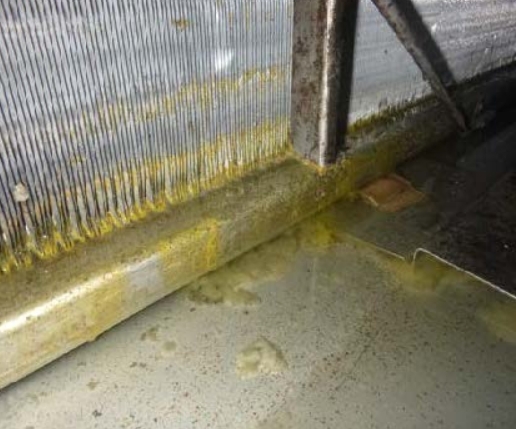
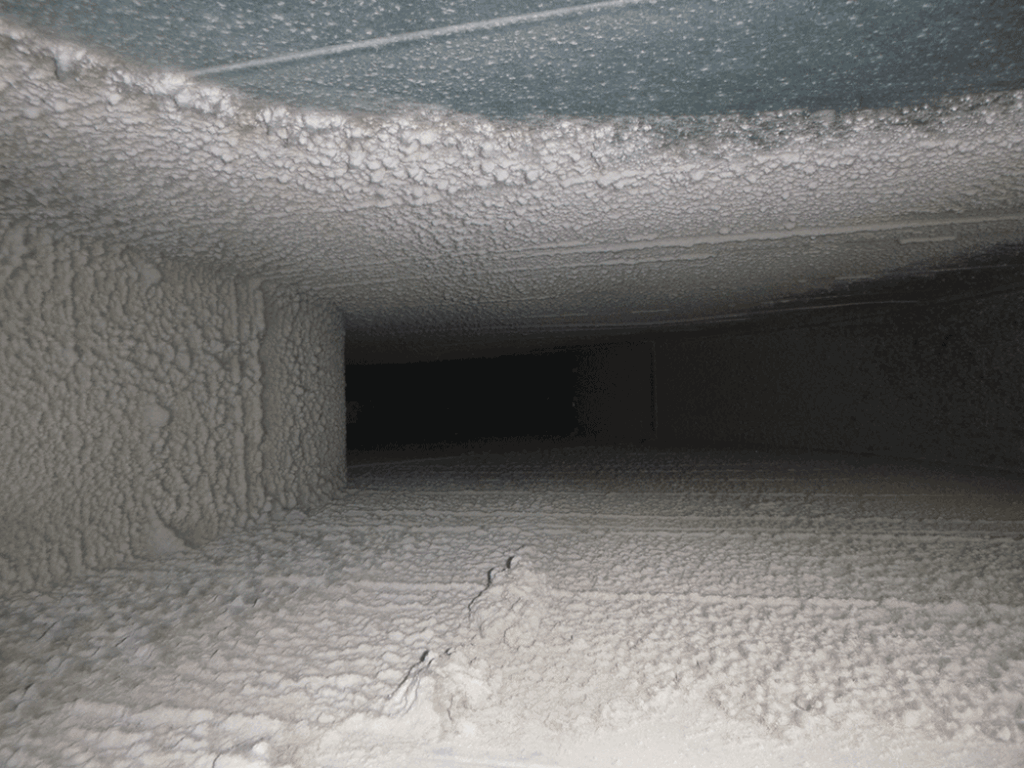
– Visual inspection of internal HVAC components for mould growth, biofilm, dust and particulate accumulation, moisture ingress or staining, corrosion or deterioration impacting hygiene.
– High-resolution photographic documentation of observed conditions.
– Assessment of system cleanliness relative to expected performance and duty.
HVAC Microbial and Particulate Testing
Undertake environmental testing as required to support the hygiene assessment, including:
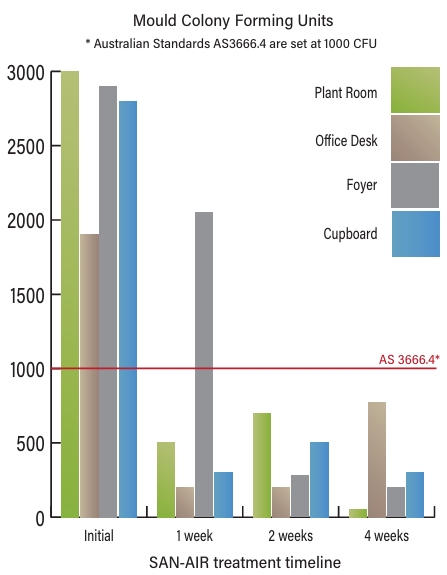
– Airborne mould spore sampling at representative locations downstream of HVAC systems.
– Surface sampling where visible or suspected microbial contamination is present.
– Comparison of results against recognised indoor air quality and hygiene benchmarks.
– Identification of abnormal or elevated spore counts indicating active contamination or system hygiene failure.
For tender purposes, allow for xxx sample tests
Testing locations and methodology shall be selected to reflect system criticality, occupancy risk profile, and likelihood of contamination disturbance during refurbishment.
Reporting
Provide a formal Hygiene Audit Report including:
– Executive summary outlining key findings and risks.
– Description of systems inspected and audit methodology.
– Photographic record of observed conditions.
– Summary and interpretation of test results.
– Identification of pre-existing contamination, high-risk hygiene deficiencies, and conditions likely to worsen during refurbishment if unmanaged.
– Clear distinction between existing system condition, items requiring remediation prior to refurbishment, and items suitable to remain within refurbishment scope.
The report shall be suitable for use by the mechanical consultant, builder, facility manager, and building owner.
Demarcation and Risk Management
The hygiene audit shall be used as a demarcation tool to:
– Establish baseline HVAC hygiene conditions prior to works.
– Protect the Principal, Consultant, and Builder from disputes relating to legacy contamination.
– Inform safe work method statements (SWMS) where contamination is identified.
– Reduce the risk of refurbishment works dispersing spores and particulates into occupied areas.
Timing
– Complete the hygiene audit prior to commencement of refurbishment works.
– Allow sufficient time for review of findings and implementation of any recommended pre-works remediation.
– Where remediation is required, ensure hygiene risks are addressed before HVAC systems are modified or disturbed.
Exclusions
The hygiene audit scope excludes remedial cleaning works, unless separately documented and approved by the Principal under a distinct scope of works.
Standards and Guidance
Carry out works in accordance with applicable Australian and international HVAC hygiene and indoor air quality guidelines, As3666, and industry-accepted best practice for HVAC hygiene auditing and contamination assessment.
Find out more: HVAC Hygiene Audits – Airrestore
Reviews
Comments are closed.