Profile
Acoustic Privacy in Medical Centres: Designing HVAC Return-Air Systems That Protect Confidentiality
Acoustic privacy is a fundamental requirement in medical centres, specialist clinics, and healthcare facilities. Patients expect conversations with clinicians to remain confidential, and practitioners rely on environments that support trust, professionalism, and dignity.
While walls, doors, and room layouts are often carefully considered, HVAC systems—particularly return-air paths—are a common and frequently overlooked source of speech transmission between rooms. In both new builds and refurbished medical facilities, inadequate attention to return-air acoustics can undermine otherwise compliant architectural design.
This article explains how speech travels through HVAC return-air systems, why this presents a risk in healthcare environments, and how cross-talk attenuators are used as a practical, engineering-led solution to maintain acoustic privacy without compromising ventilation performance.
How Sound Transfers Through HVAC Return-Air Paths
Sound does not require direct openings to travel between rooms. In HVAC systems, speech can propagate through shared return-air ductwork, transfer air paths between rooms, ceiling voids used as return-air plenums, and unattenuated wall or ceiling penetrations.
The Limitations of Ceiling Plenum Returns in Medical Fitouts
In refurbishment projects and tenancy fitouts, ceiling plenums are sometimes proposed as a cost-saving measure for return air. However, this approach introduces several risks in healthcare environments, including poor and inconsistent acoustic separation, uncontrolled air leakage paths, hygiene and contamination concerns and limited ability to retrofit acoustic treatment later.
For these reasons, best practice in medical HVAC design increasingly favours fully ducted return-air systems, where airflow paths are deliberate, inspectable, and acoustically managed.
What Are Cross-Talk Attenuators?
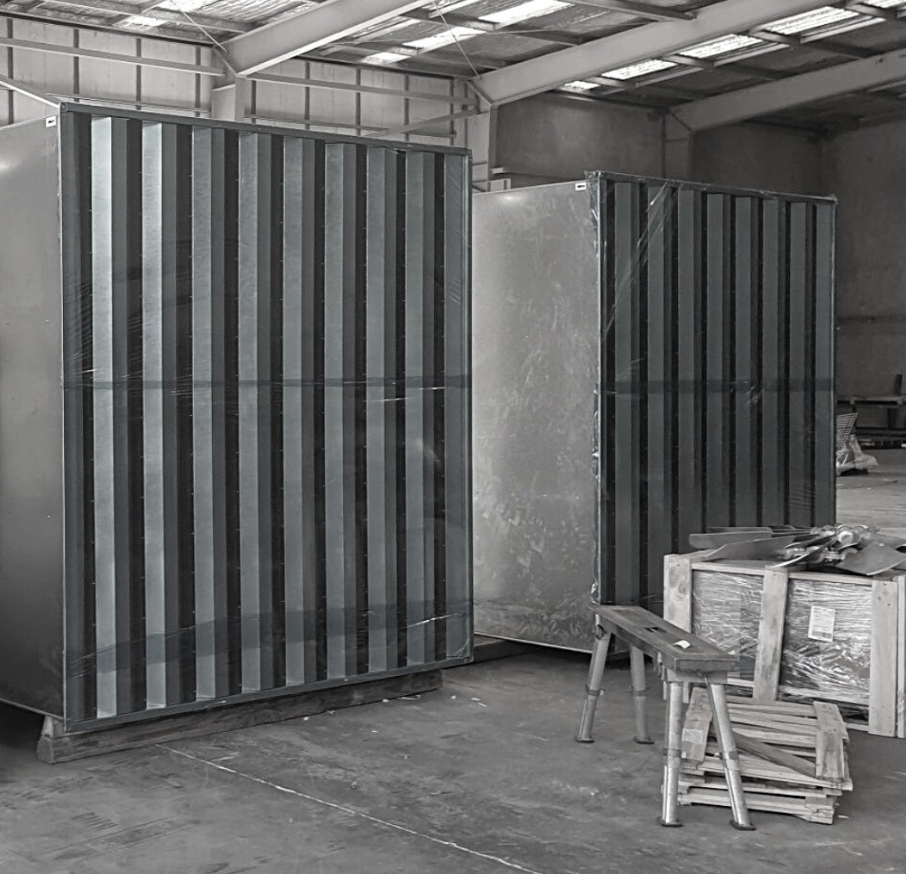
Cross-talk attenuators are specialised HVAC acoustic devices designed to reduce room-to-room sound transmission through air paths while still allowing the required ventilation airflow.
Installed within return-air ductwork or air-transfer paths, they use internal acoustic baffles, sound-absorbing media, and non-line-of-sight airflow geometry to significantly reduce airborne sound energy, particularly in speech-critical frequency ranges.
The Role of Cross-Talk Attenuators in Ducted Return-Air Systems
When multiple rooms connect to a shared return-air system, cross-talk attenuators are used to ensure each space remains acoustically isolated.
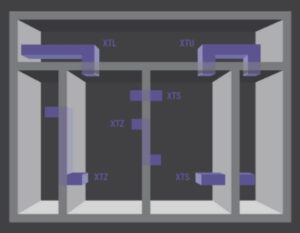
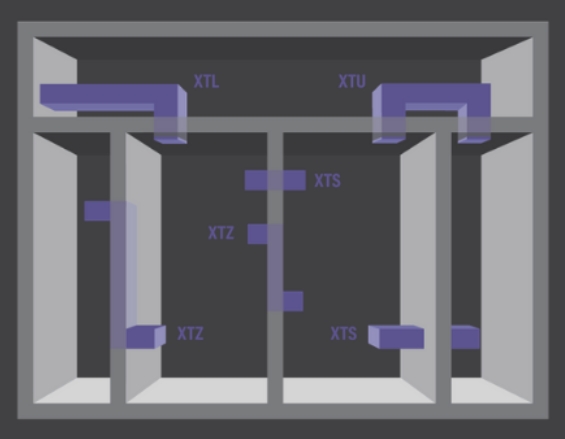
In medical centres, they are commonly applied between adjacent consulting rooms sharing a return path, at branch connections into common return ducts, and at wall or ceiling penetrations where air must transfer between rooms ( e.g. spill into corridors)
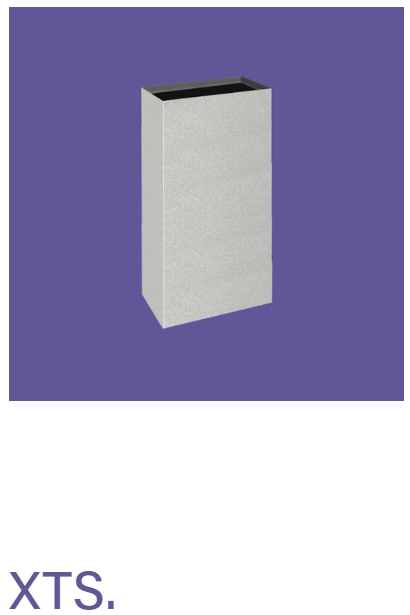
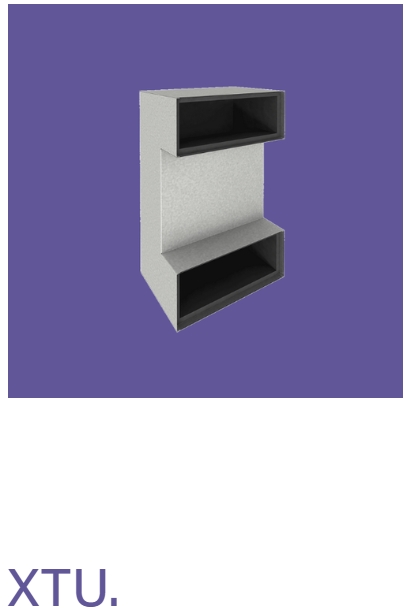
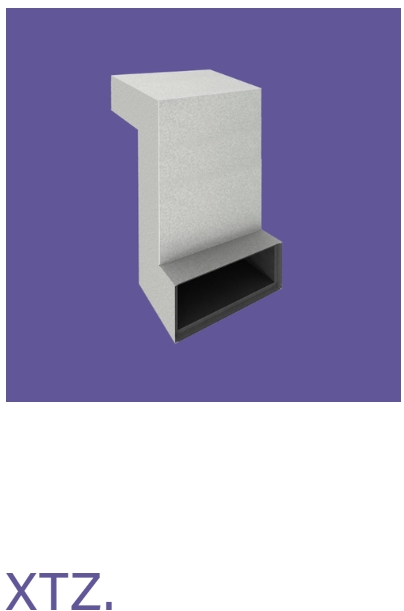
“HVAC Attenuation” Cross-Talk Attenuator Options Used on Medical Projects
In Australian healthcare projects, cross-talk attenuators are typically selected from a small number of proven configurations rather than generic solutions.
“HVAC Attenuation” manufactures a range of cross-talk attenuators that are routinely applied in medical centres to maintain both acoustic privacy and hygiene control.
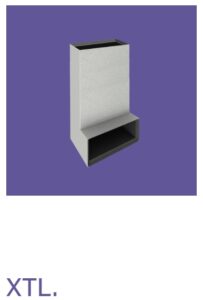
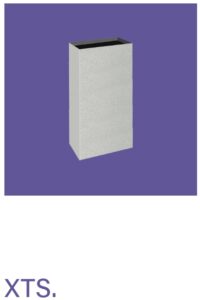
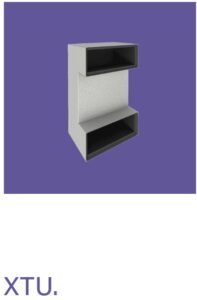
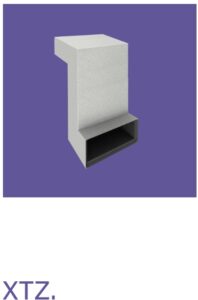
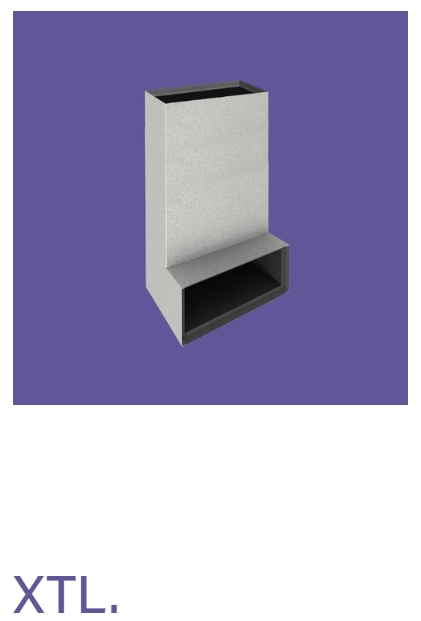
Commonly specified options include straight-through cross-talk attenuators, offset (Z-path) cross-talk attenuators, high-performance cross-talk attenuators, and compact shallow-profile units for refurbishment projects.
Conclusion
In medical centres and specialist healthcare facilities, acoustic privacy must be intentionally designed into HVAC systems.
By adopting ducted return-air systems with integrated cross-talk attenuators, designers can control sound transmission, protect patient confidentiality, and deliver HVAC systems aligned with healthcare best practice.
To find out more about HVAC Attenuation range of cross talk attenuators please visit Cross Talk Attenuators — HVAC Attenuation and get in contact with them to develop a private return air path for your project.
Reviews
Comments are closed.